Free trial Sign in
  1. Bricks and Mortar

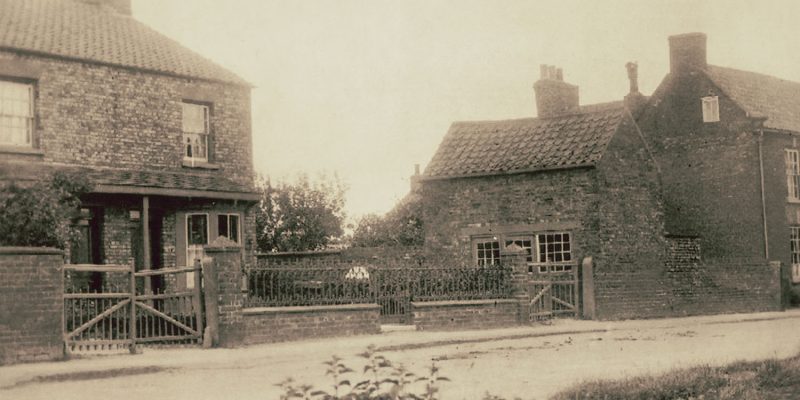
    Your Name and Place database is able to include a history of buildings and who lived in them. This is a great way to explore a community and examine the architecture of a place. The design and materials used in the construction of a building will give you many clues about the age and original use.

    Simple observations can help build up the clues:

    • Date – there may be a date-stone over the front door or up in the gable.
    • Names – house and street names are a big clue. The Crimean War 1853-1856 gave rise to many street names; Alma Street, Mafeking Terrace, Balaclava Road.
    • Mixed styles – buildings will have been modified over time and a stylish Georgian frontage may be covering up a much older house.
    • Geography – buildings will have been constructed using local bricks and raw materials creating a distinctive architectural footprint.
    • Change of use – is the current Italian restaurant a former theatre? Is the ‘Grand Designs’ residence a former nonconformist chapel? Are the riverside apartments a former mill?

    Whether the building that attracted your attention is a former manor house or a Victorian back-to-back terrace house, there are key research sources available to help you find evidence for the location and development of the property; the land and the owners and occupiers:

    • Census returns 1841-1911
    • 1939 National Identity Register
    • 1910 Valuation Office Survey
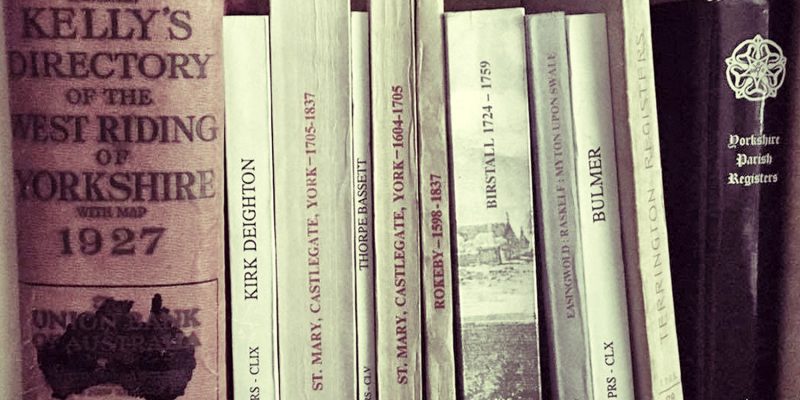
    • Trade and Street Directories
    • Wills
    • Title Deeds
    • Old photographs
    • Old postcards
    • Newspapers
    • Maps – tithe, estate and OS
    • Sale catalogues
    • Estate records
    • Rate books and tax records

    Even the most humble abodes can hold a story beyond the lath & plaster and multi-occupancy. Current houses could have been the local butcher’s shop, tailors or a private lunatic asylum. Few houses had a house number until the late nineteenth century so it is important to correctly identify a property.

    Name and Place can store and display all the information focused on a property and record the changes in ownership, tenancy and refurbishment. Now you have the opportunity to shift your outlook from a family history to a house history perspective!
  2. Read all about it

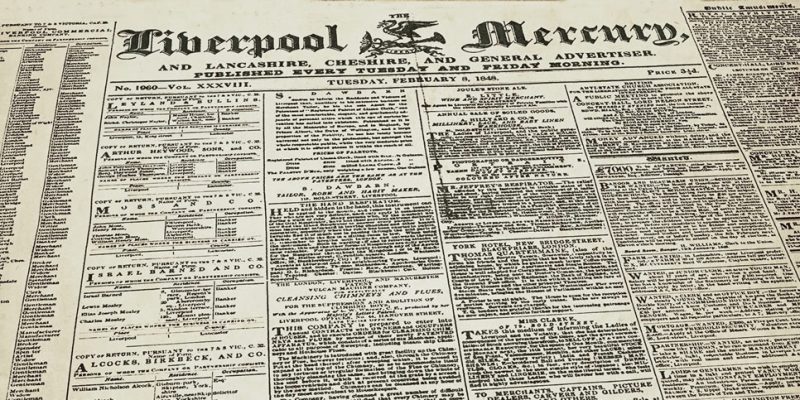
    Newspapers are the true ‘fly on the wall’ documentaries which capture the everyday lives of our ancestors and communities. Not just ‘hatches, matches and despatches’ in the genealogical sense but also the drama, fun and sometimes dreadful actions of ordinary people.

    Don’t just focus on national newspapers. Those from the mid nineteenth century will inevitably record the military, political and sporting events however it is the local newspapers reflecting traditional community life which can often lead to unexpected finds.

    Within the broadsheets you can discover a convicted burglar, which lead to court records and ultimately transportation to Australia. A deserter from the Royal Artillery drunk and disorderly in 1877, who knew? A fatal accident in 1849 on a new the railway line shortly after it had opened – bet he didn’t see that coming, poor thing. A girl aged nine years and eight months who gave birth in 1881, too awful. You can always rely on a good wedding for naming the main participants and colour of the bridesmaid dresses. Maybe a Sunday School outing or tea party is featured, hope they all had a lovely time. Bet the Friendly Society parade was a good day out too and not forgetting the Ancient Foresters and Oddfellows with the inevitable marching bands. If there are photographs, even better as it all helps you sense the excitement and see people enjoying themselves on the annual feast day and no doubt getting into pickles pretty much like today.

    Start with the National Archives to discover where the main printed and online collections are kept. Enter the name of your village into a search engine of one of the online providers and wait to be surprised, shocked and horrified with past occurrences.

    Focus on the place to gain an understanding of what everyday life was like for the community and include it in your study.


  3. Gathering resources

    Family Historians study the biography of an ancestor using records of birth, marriage, death, census and wills to compile a pedigree.

    A One-Place Study however, looks holistically at a place that may or may not include researching a particular family. These traditional family history records are made all the more enjoyable by producing outcomes such as population statistics and establishing why people migrated in and out of the village. Occupational trends highlight why some trades flourished and others declined. Family and local history research working alongside each other, constitutes a more complete analysis.

    House history includes property deeds – the scope of the land and property, architecture and usage together with the names of the owners over many years. Legislation such as the Hearth Tax, Land Tax and Window Tax generated additional records for consideration.

    Vestry meetings were like a local parliament and if records are available, they can contain such fascinating details such as who paid into the parish rates and who received poor relief.

    Maps are invaluable for illustrating the development of a community and its evolving topography through time. Enclosure, tithe and OS maps supported by the use of old postcards and photographs can help identify the likely time a building was erected, extended and demolished. Comparing old and current postcards is a brilliant game of ‘spot the difference’ over the decades.

    Newspaper articles and parish magazines are a wonderful resource to better understand the day-to-day life of a community, the former including all the scandal.

    Oral history captures memories and reminiscences from living inhabitants.

    Researchers often need to tackle a section of work in bite-sized chunks to avoid becoming overwhelmed by all the information. So, if the question is “How can I manage my vast and varied One-Place or One-Name Study data?” Name & Place is the answer.