Bricks and Mortar
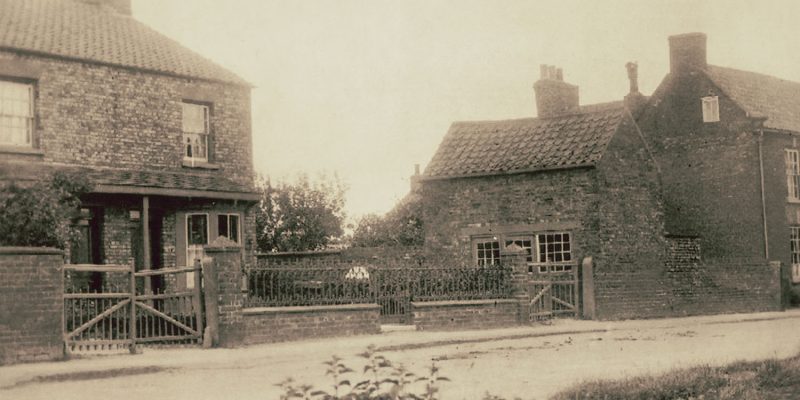
Your Name and Place database is able to include a history of buildings and who lived in them. This is a great way to explore a community and examine the architecture of a place. The design and materials used in the construction of a building will give you many clues about the age and original use.
Simple observations can help build up the clues:
- Date – there may be a date-stone over the front door or up in the gable.
- Names – house and street names are a big clue. The Crimean War 1853-1856 gave rise to many street names; Alma Street, Mafeking Terrace, Balaclava Road.
- Mixed styles – buildings will have been modified over time and a stylish Georgian frontage may be covering up a much older house.
- Geography – buildings will have been constructed using local bricks and raw materials creating a distinctive architectural footprint.
- Change of use – is the current Italian restaurant a former theatre? Is the ‘Grand Designs’ residence a former nonconformist chapel? Are the riverside apartments a former mill?
Whether the building that attracted your attention is a former manor house or a Victorian back-to-back terrace house, there are key research sources available to help you find evidence for the location and development of the property; the land and the owners and occupiers:
- Census returns 1841-1911
- 1939 National Identity Register
- 1910 Valuation Office Survey
- Trade and Street Directories
- Wills
- Title Deeds
- Old photographs
- Old postcards
- Newspapers
- Maps – tithe, estate and OS
- Sale catalogues
- Estate records
- Rate books and tax records
Even the most humble abodes can hold a story beyond the lath & plaster and multi-occupancy. Current houses could have been the local butcher’s shop, tailors or a private lunatic asylum. Few houses had a house number until the late nineteenth century so it is important to correctly identify a property.
Name and Place can store and display all the information focused on a property and record the changes in ownership, tenancy and refurbishment. Now you have the opportunity to shift your outlook from a family history to a house history perspective!