Gathering resources
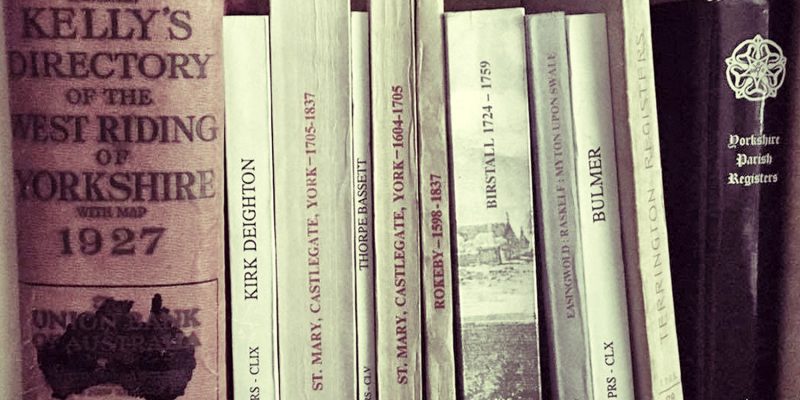
Family Historians study the biography of an ancestor using records of birth, marriage, death, census and wills to compile a pedigree.
A One-Place Study however, looks holistically at a place that may or may not include researching a particular family. These traditional family history records are made all the more enjoyable by producing outcomes such as population statistics and establishing why people migrated in and out of the village. Occupational trends highlight why some trades flourished and others declined. Family and local history research working alongside each other, constitutes a more complete analysis.
House history includes property deeds – the scope of the land and property, architecture and usage together with the names of the owners over many years. Legislation such as the Hearth Tax, Land Tax and Window Tax generated additional records for consideration.
Vestry meetings were like a local parliament and if records are available, they can contain such fascinating details such as who paid into the parish rates and who received poor relief.
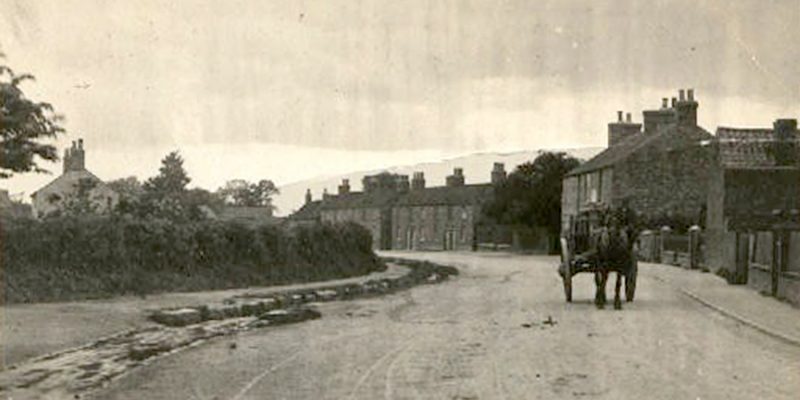
Maps are invaluable for illustrating the development of a community and its evolving topography through time. Enclosure, tithe and OS maps supported by the use of old postcards and photographs can help identify the likely time a building was erected, extended and demolished. Comparing old and current postcards is a brilliant game of ‘spot the difference’ over the decades.
Newspaper articles and parish magazines are a wonderful resource to better understand the day-to-day life of a community, the former including all the scandal.
Oral history captures memories and reminiscences from living inhabitants.
Researchers often need to tackle a section of work in bite-sized chunks to avoid becoming overwhelmed by all the information. So, if the question is “How can I manage my vast and varied One-Place or One-Name Study data?” Name & Place is the answer.