Free trial Sign in
  1. Name & Place launches at RootsTech, Salt Lake City

    RootsTech Salt Lake City

    Name & Place at RootsTech, Salt Lake City, February 2020

    Wednesday, 26th Feb 2020 saw the launch of Name & Place, the innovative cloud database and mapping software. It was perhaps befitting that the launch took place in Salt Lake City, Utah where RootsTech, the world’s largest family history event was meeting to celebrate its tenth anniversary.

    Name & Place, developed by Paul Carter, meets a need to manage research projects with a scope outside of traditional family history; the One-Place Study , One-Name Study, Local History Project or House History.

    In contrast to the key assumption shared by family tree software, that the research subjects are related through birth or marriage, Name & Place empowers the researcher to define the scope of their project, whether the people simply lived, worked or were buried in the same place or just shared a common surname. A spreadsheet, the typical alternative explored by such researchers, lends itself well to structured data entry but fails quickly when attempting to layer multiple datasets and analyse results.

    Name & Place’s unique ability to integrate names, places and sources through record linkage opens up a world of examining research data at a holistic level before drilling down to each event or fact. Names and places interact, through the source record, the common glue of research. Each name, place, event and fact may be captured, and the individual records automatically updated.

    By defining a location for each place within the project, powerful mapping analysis becomes possible, tracking migration patterns or population changes throughout your research. Layer photographs and documents, linked to a name, place or source, and your project comes to life with colour and context. As a cloud-based solution, each Name & Place project comes with a dedicated web page, enabling you to promote your project to the online world with the aim of interacting with interested parties.

    Your project’s scope is constrained solely by your requirements. Research of a graveyard or war memorial is as managed equally as well as a ship history, a DNA study or a worldwide surname project. Whatever the focus of your project, you will find Name & Place intuitive, powerful and above all, specifically designed to fit your research needs.

    See how Name & Place can help your research. A free two-week evaluation copy is available when you register at www.nameandplace.com.
  2. Bricks and Mortar

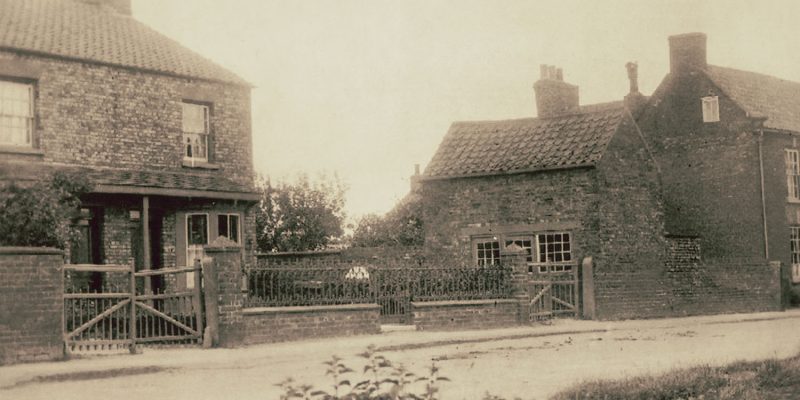
    Your Name and Place database is able to include a history of buildings and who lived in them. This is a great way to explore a community and examine the architecture of a place. The design and materials used in the construction of a building will give you many clues about the age and original use.

    Simple observations can help build up the clues:

    • Date – there may be a date-stone over the front door or up in the gable.
    • Names – house and street names are a big clue. The Crimean War 1853-1856 gave rise to many street names; Alma Street, Mafeking Terrace, Balaclava Road.
    • Mixed styles – buildings will have been modified over time and a stylish Georgian frontage may be covering up a much older house.
    • Geography – buildings will have been constructed using local bricks and raw materials creating a distinctive architectural footprint.
    • Change of use – is the current Italian restaurant a former theatre? Is the ‘Grand Designs’ residence a former nonconformist chapel? Are the riverside apartments a former mill?

    Whether the building that attracted your attention is a former manor house or a Victorian back-to-back terrace house, there are key research sources available to help you find evidence for the location and development of the property; the land and the owners and occupiers:

    • Census returns 1841-1911
    • 1939 National Identity Register
    • 1910 Valuation Office Survey
    • Trade and Street Directories
    • Wills
    • Title Deeds
    • Old photographs
    • Old postcards
    • Newspapers
    • Maps – tithe, estate and OS
    • Sale catalogues
    • Estate records
    • Rate books and tax records

    Even the most humble abodes can hold a story beyond the lath & plaster and multi-occupancy. Current houses could have been the local butcher’s shop, tailors or a private lunatic asylum. Few houses had a house number until the late nineteenth century so it is important to correctly identify a property.

    Name and Place can store and display all the information focused on a property and record the changes in ownership, tenancy and refurbishment. Now you have the opportunity to shift your outlook from a family history to a house history perspective!

  3. Wish you were here

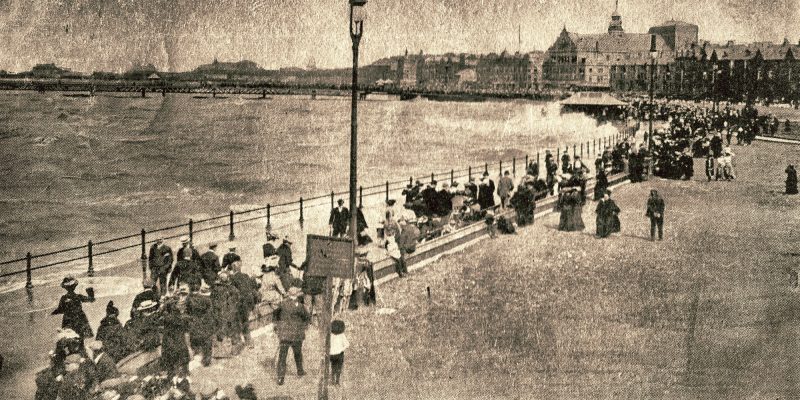
    Regular social media followers of Name and Place will realise how fond we are of old postcards – they ARE names and places!

    An old postcard of your one-place study or where your ancestors lived, can be a precious gem amongst your treasure chest of images. In the absence of any photographs, an old postcard can solve mysteries of vanished properties and a way of life. Buildings can often give a clue why the road was named as it was; Union Place (workhouse), Railway Street (disused railway) and Stonefall Avenue (disused quarry). They are invaluable when studying the history of a property with visual evidence such as bricked up windows, ghostly outlines of business signs visible through paintwork or even the reason why an extension was added. Old postcards capture trades, businesses, post offices and schools at a moment in time. You could be even luckier with the bonus of proprietors proudly stood outside their butchers, bakers and candlestick maker shops with decorative signs overhead.

    Turning over the postcard, it may well contain the handwriting of a person you’re connected with in a community. There can be a goldmine of genealogical facts; names, addresses, postmarks, family links ‘Dear Auntie’ etc. Many people simply used postcards for a quick message just to show where they had been visiting or when they would be arriving. Sending birthday greetings was also a favourite.

    Try an online search from the many providers available. You may grab a bargain or even be tempted to bid high for a valuable image. Good hunting!