Wish you were here
Regular social media followers of Name and Place will realise how fond we are of old postcards – they ARE names and places!
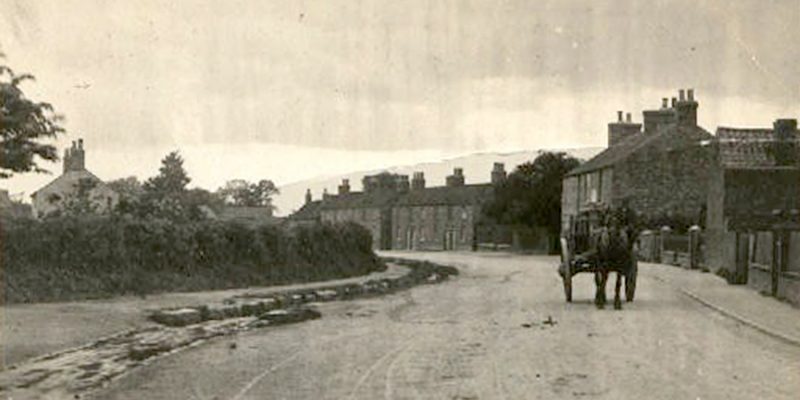
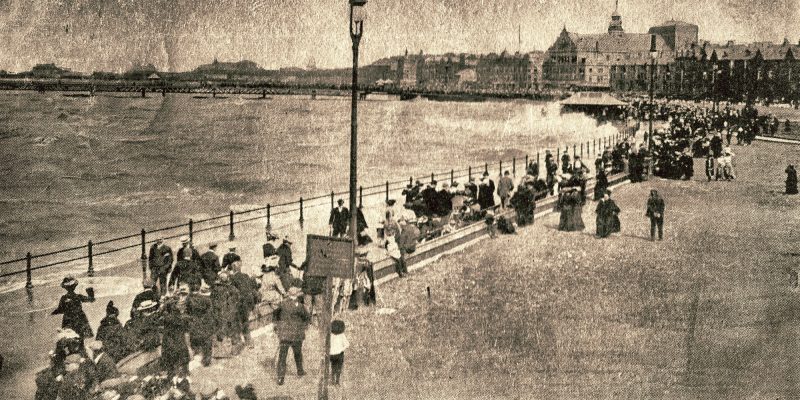
An old postcard of your one-place study or where your ancestors lived, can be a precious gem amongst your treasure chest of images. In the absence of any photographs, an old postcard can solve mysteries of vanished properties and a way of life. Buildings can often give a clue why the road was named as it was; Union Place (workhouse), Railway Street (disused railway) and Stonefall Avenue (disused quarry). They are invaluable when studying the history of a property with visual evidence such as bricked up windows, ghostly outlines of business signs visible through paintwork or even the reason why an extension was added. Old postcards capture trades, businesses, post offices and schools at a moment in time. You could be even luckier with the bonus of proprietors proudly stood outside their butchers, bakers and candlestick maker shops with decorative signs overhead.
Turning over the postcard, it may well contain the handwriting of a person you’re connected with in a community. There can be a goldmine of genealogical facts; names, addresses, postmarks, family links ‘Dear Auntie’ etc. Many people simply used postcards for a quick message just to show where they had been visiting or when they would be arriving. Sending birthday greetings was also a favourite.
Try an online search from the many providers available. You may grab a bargain or even be tempted to bid high for a valuable image. Good hunting!