People
Not assumptions. What the source actually says about people.

Learn · Structure your research
Practical structure for family and local history research. From the ideas behind Beyond the Tree and AI & Structured Data for Historians.
Start with the evidence
One-name studies rarely fail because of a lack of records. They fail because records arrive faster than structure.
Notes grow. Trees fragment. Assumptions creep in. Evidence gets buried beneath conclusions.
The answer is not more software. It is better structure.
Keep what the source says distinct from what you think it means.
Structure first. Tools second. Always.The foundations
A shared structure helps you work across different records while keeping each piece of information attached to its evidence.
Not assumptions. What the source actually says about people.
Addresses, parishes, streets, locations, and how they change.
Births, deaths, baptisms, marriages, census entries, probate.
Ages, occupations, relationships, descriptions, recorded evidence.
The foundation. Everything must remain attached to evidence.
Use it in your own research
Start with the field labels, choose a spreadsheet layout, or return to the handout from the talk. These are the April 2026 materials.
Free to download. No account is needed.
Work with your data
I’ve written this tool for you to upload JSON, CSV or XML files, review records in a clear table, sort and compare entries, and export clean structured data for further work.
Open the structured data editor →Put the method to work
These principles can help you organise research in a spreadsheet or another tool. Name & Place takes them into a working project, connecting people and places through their sources.
See how Name & Place works →Read further
The principles behind the talk, explored in full.

The principles that shape Name & Place. Structured historical thinking beyond the traditional family tree.
More about the book on pacarter.com ↗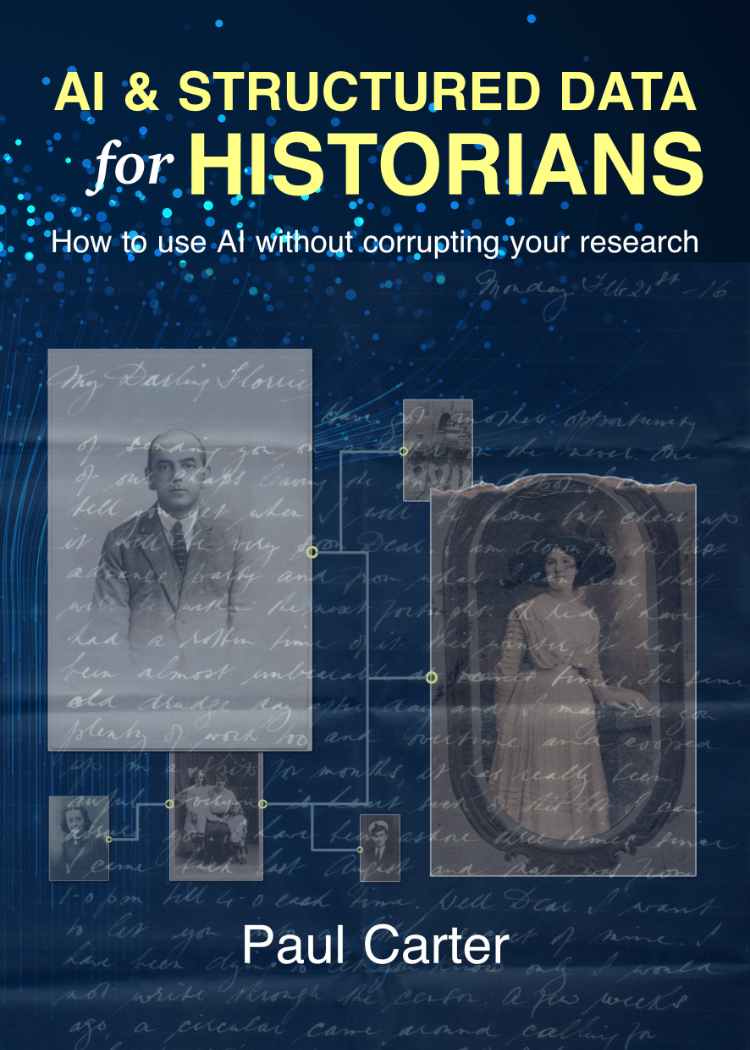
How to use AI without corrupting your research. Structure first. Tools second. Always.
More about the book on pacarter.com ↗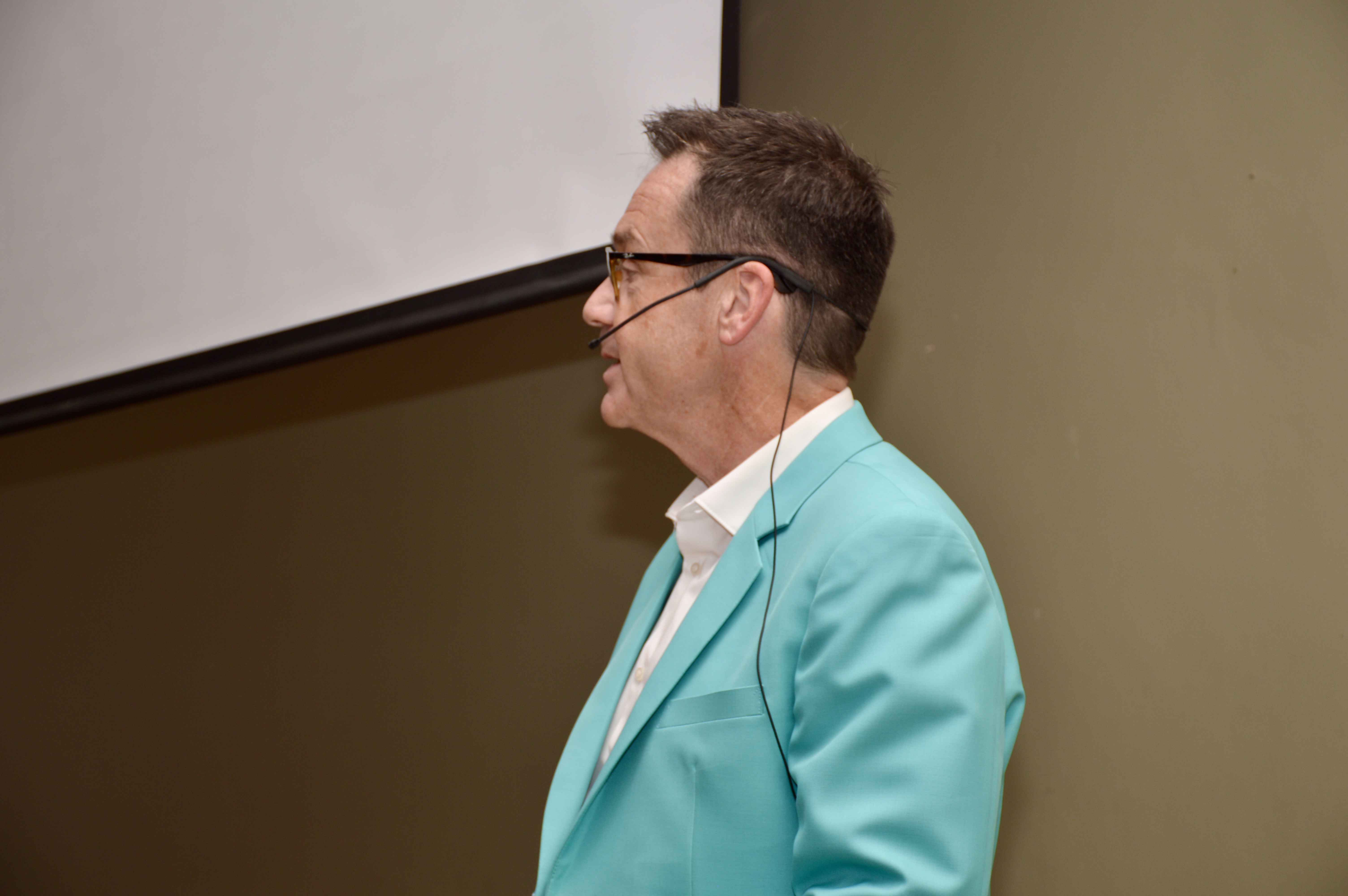
About the author
Paul is the creator of Name & Place. His work focuses on evidence-led research, practical structure, and helping researchers move beyond the limits of traditional tree-first thinking.
Make the connections
Bring people, places and sources into one research project.